Blog
Featured
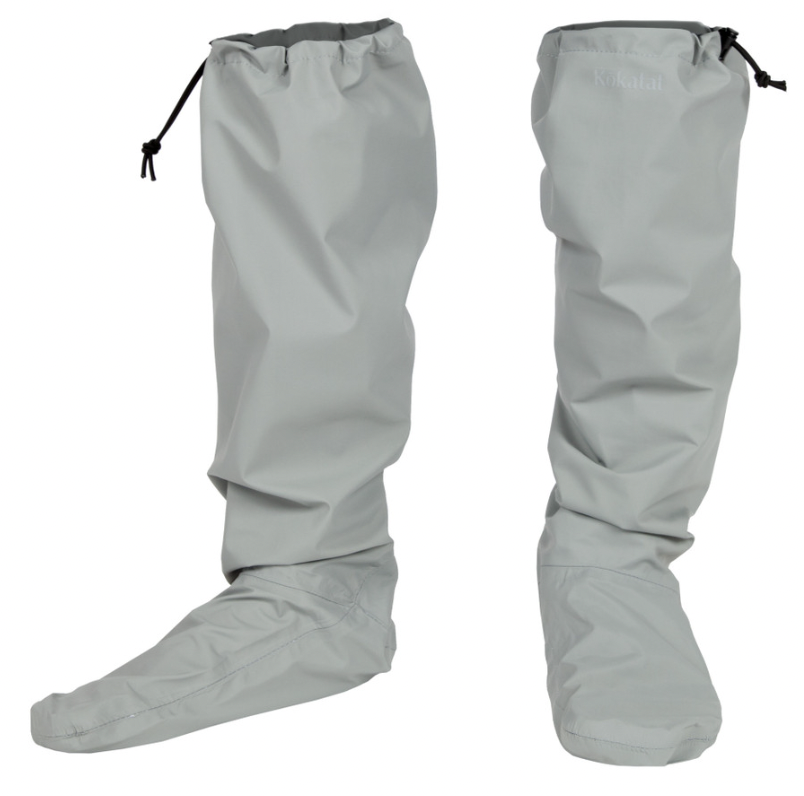
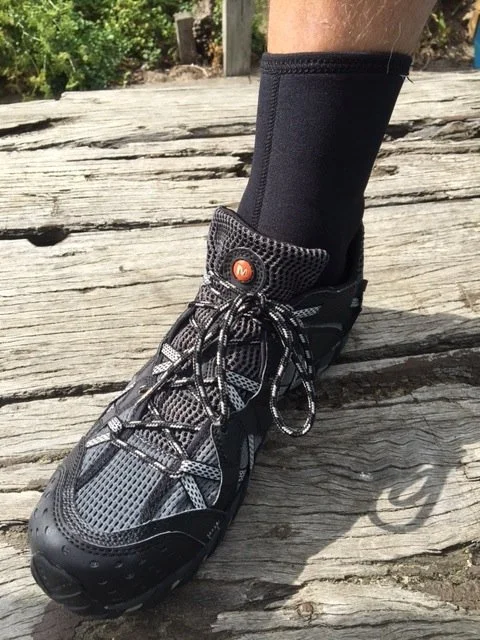
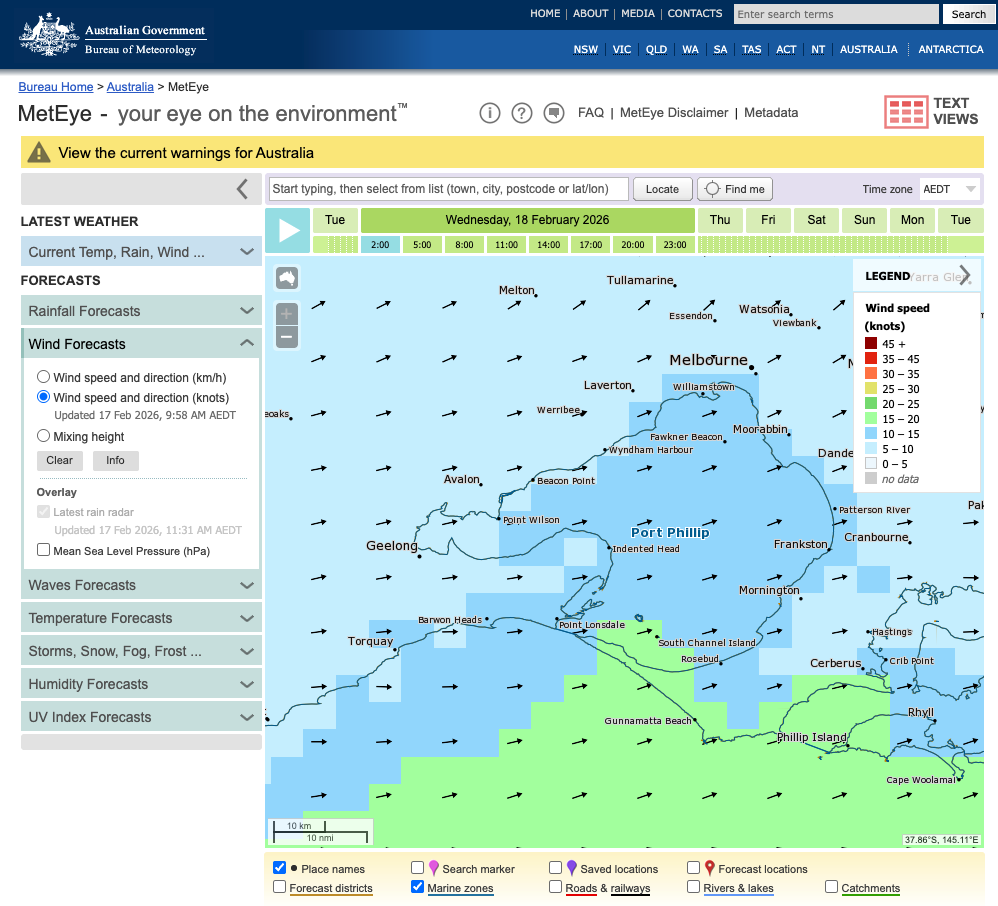
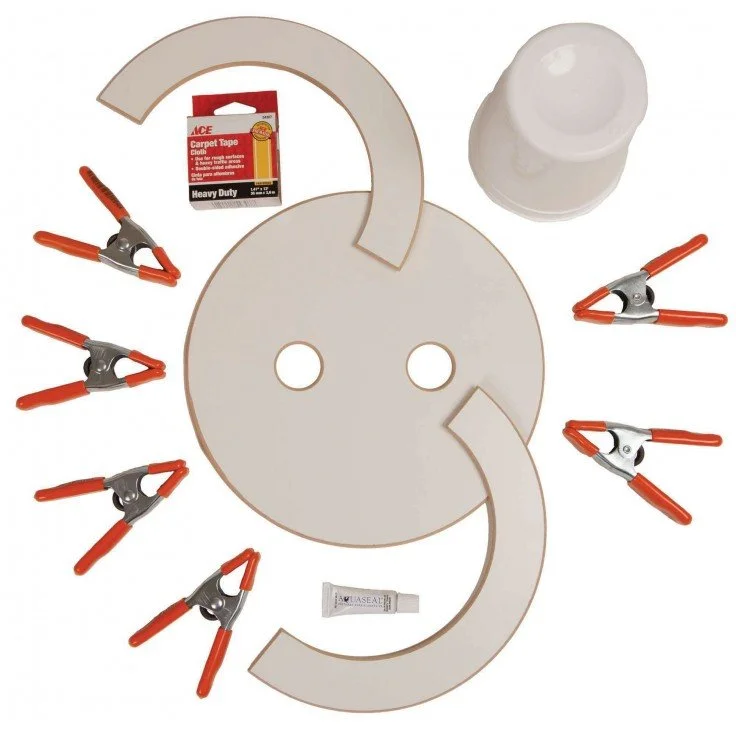









One thing comes first: never wear cotton outdoors. “Cotton kills” exists for a reason. Once cotton gets wet, it stays wet, gets cold fast, and robs your body of warmth. Your old everyday Bonds socks are out straight away — and the same goes for cotton jocks and underwear as well, before woollen and fleece underwear it was considered bad luck to wear underwear during paddle sports.
I’ve been paddling since 1996, and one thing I’ve learned is that I do not like wet feet.
Personal Protective Equipment (PPE) is essential in paddle sports. Over many years of commercial operations, most of our minor medical incidents have involved foot injuries — everything from cuts and bruises through to stepping in fresh dog poo!
For us, the beach and waterways are a workplace, and workplace safety requirements mean closed-toe footwear must be worn at all times. What you choose to do with your family or in your own time is completely up to you — but from a professional and safety perspective, proper footwear matters.
I usually get about 2 years out of the gaskets on my Kokatat Goretex Meridian Dry Suit. Gaskets are effectively a consumable item and even with care you can expect to replace them at some point if you use your dry suit regularly for sea or river paddling, kayak fishing, even SUP.
Well… Like anything to do with paddle sports, this is general in nature and is my opinion... My points of view are constantly changing as I paddle more and as many different crafts that I can and in differing locations and environments, and with different pods of people. We do recommend that you undertake training with a qualified Paddle Australia Instructor or Sea Guide and Sea Leaders. Please do let us know what you are thinking as it helps others out there!
New kayaks and canoes are getting very expensive! The cost of importing - shipping, duty and taxes, the cost of materials and labour, cost of commercial/retail space and staff costs (especially weekends when most want to go paddling). If you are buying a kayak that is coming from overseas, what happens if it arrives damaged? Importers should carry (very expensive) insurance policies to deal with these circumstances. Kayak shops are disappearing as the cost of living increases.
Secondhand is a great option that really should be considered!
Are you ready for a new opportunity that provides you working experience while kayaking through the world’s most liveable city?
Based on the bay of Port Melbourne, East Coast Kayaking and Sea Kayak Australia is recruiting qualified kayaking instructors to travel along the open waters and lead tours as the head instructor.
The key to surf ski safety is understanding:
Weather Interpretation
Clothing
Basic Skills and Strokes
Self rescues
Safety Equipment - everyday gear you should be carrying - have it accessible and know how to use it
You should also let someone know where you are going and when you are expected back - "Let someone know before you go" and be able to raise the alarm in case of an emergency.
We recommend you gain training from a qualified Paddle Australia instructor.
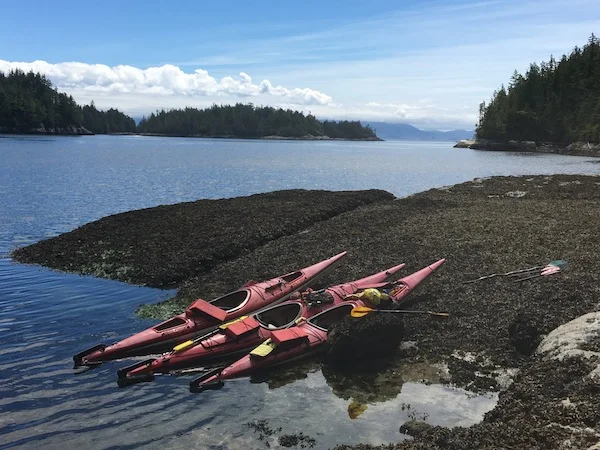
Every second year East Coast Kayaking conducts a sea kayaking expedition with a hardy group of senior school students and their teachers to Prince William Sound, Alaska. This year the school camp was followed by a small group tour to some of the best paddling locations on offer in British Columbia - Quadra Island and its tidal races, Broughton Archipelago off the northern end of Vancouver Island, and Tofino-Clayoquot Sound on Vancouver Island's Pacific West Coast.
“It's better to be hot and bothered than cold and emotional” - You can always cool down, but you can't always warm up! The right clothing is vital to your comfort and safety when on and off the water.
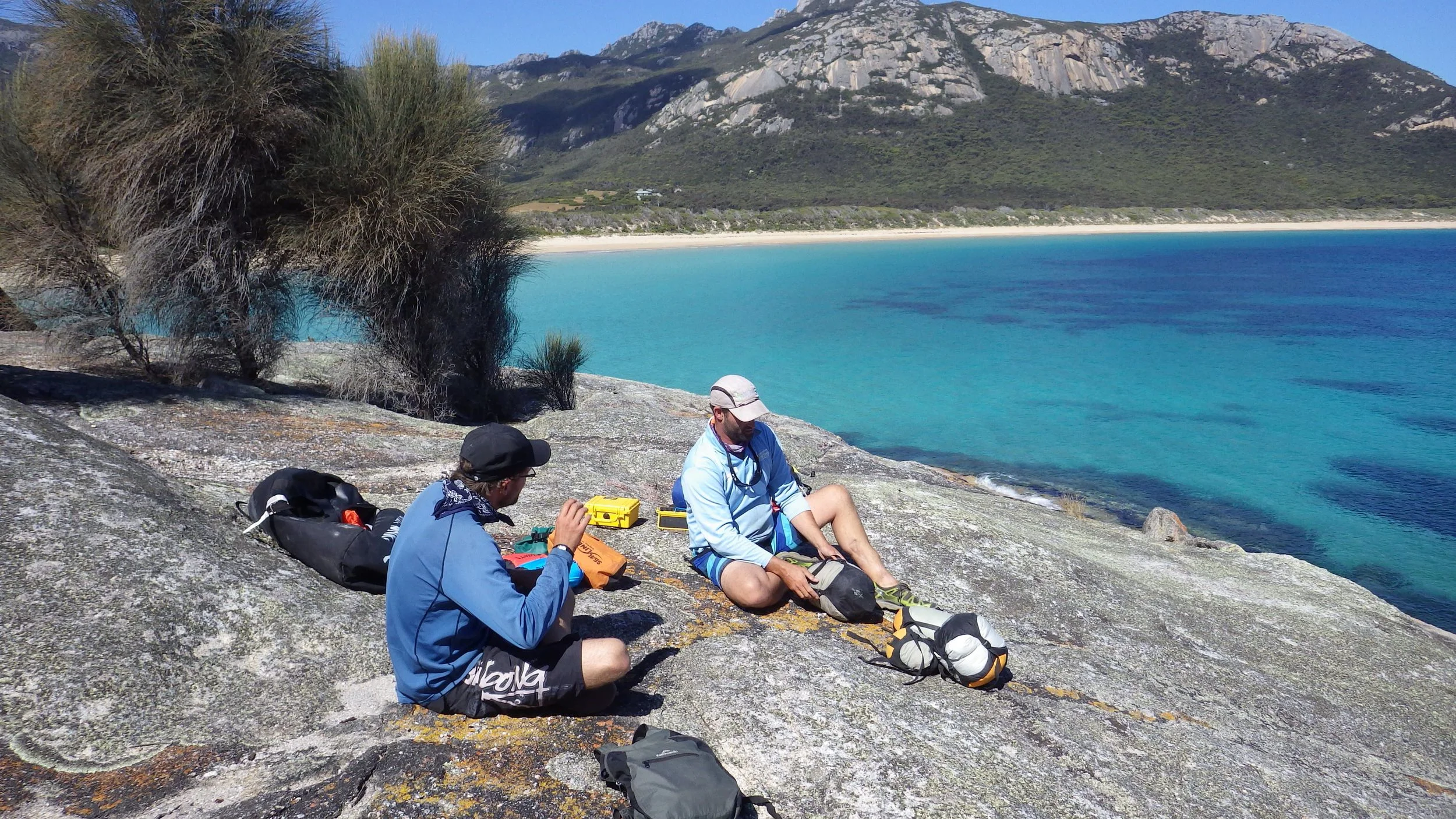
There is a wide variety of dry bags, sacks & cases - used to protect all sorts of gear. Come along to our Show and Tell sessions to learn more about dry bags and packing your kayak
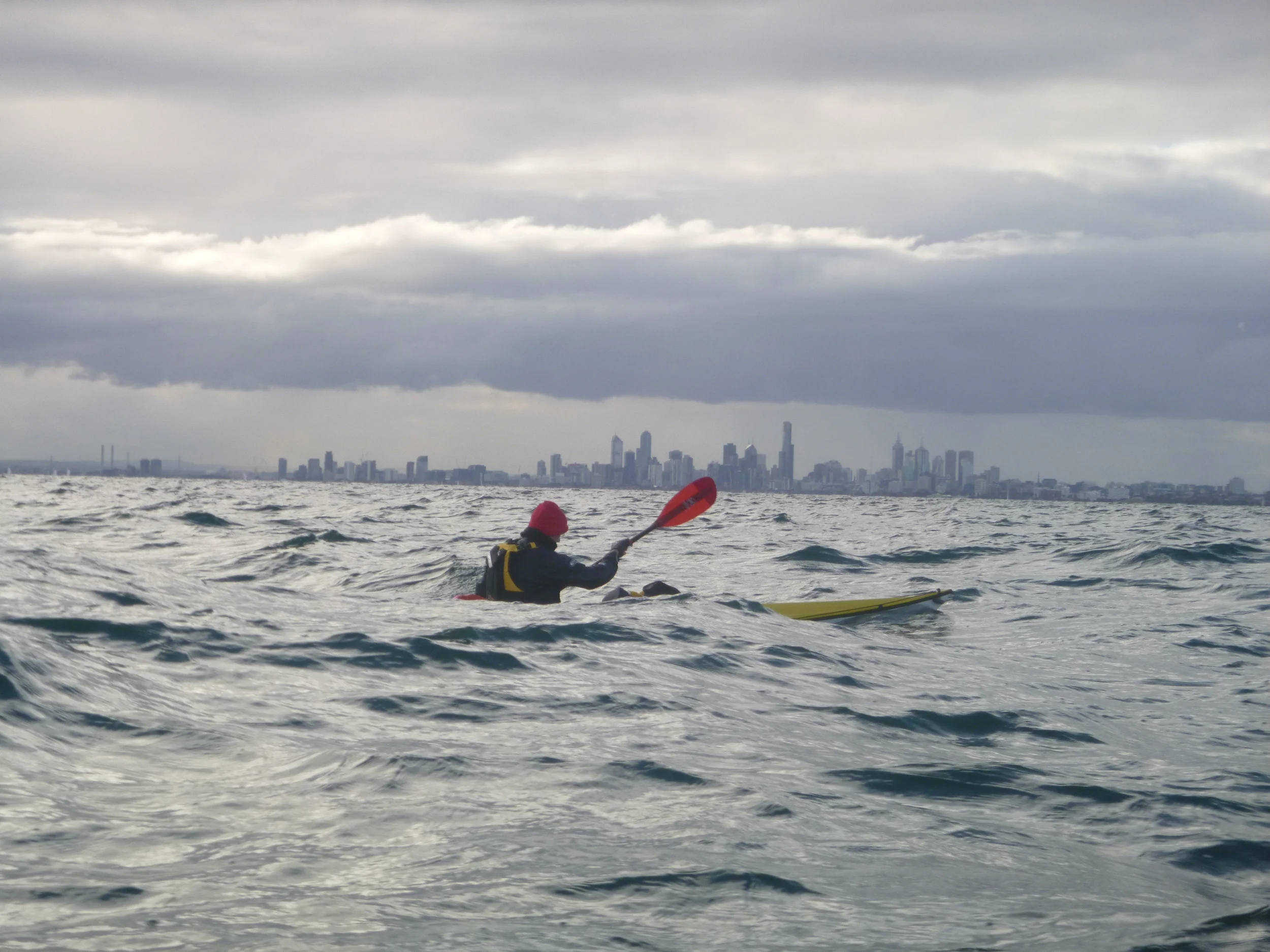
Each year in May, East Coast Kayaking leads a crossing of Port Phillip Bay. This is an all-day event that gives paddlers with some experience a fantastic opportunity to practise trip planning, teamwork and group management skills.
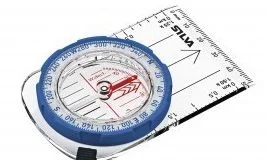
Proficiency in chart reading and the use of a compass is a vital skill when venturing out on the water. This blog entry is primarily concerned with GPS use, though the Navionics software for iPad and mobile also contains some GPS functions.
It started with a phone call “Hey would you do the Murray Marathon?” I said “Yes, sure, …what the whole thing?” The promo posters arrived and an email – the Murray Marathon had been rebadged as Massive Murray Paddle and moved to the end of November. A quick “Who wants to join us?” post on Facebook and a couple of chats and the team was born
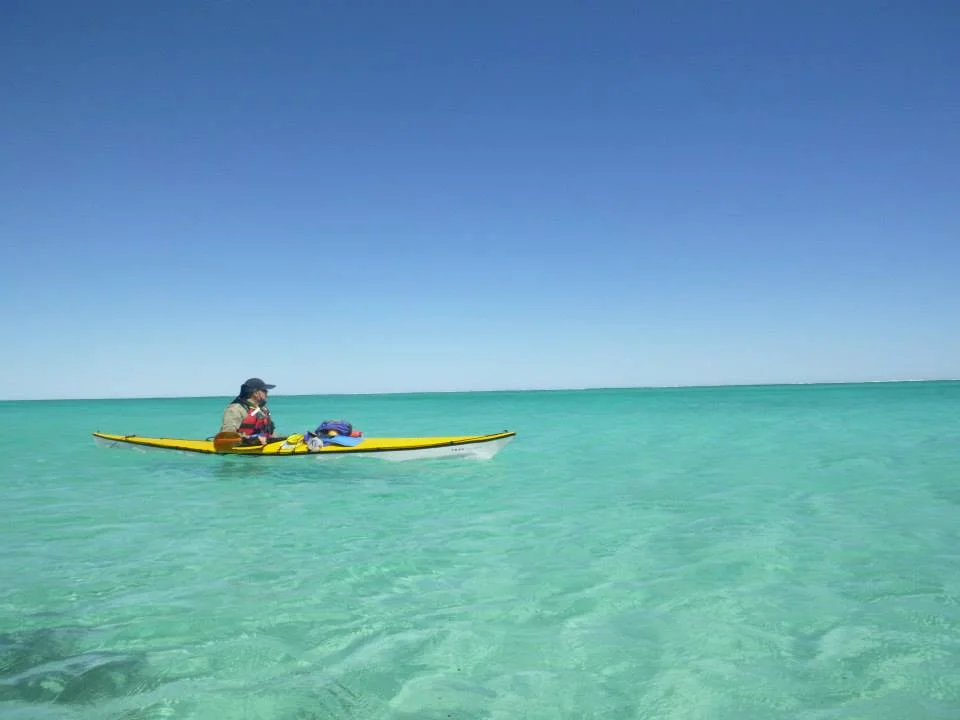
It all started with a random comment over a quiet drink: “how about we paddle Ningaloo this Easter expedition?” Over the last few years we had been heading off on paddling reconnaissance trips around the world at this time, with the intention of developing a list of 5 to 10 great paddling destinations, . Ningaloo Reef, in Western Australia, was next on our list.
A PFD is not an ornament for your deck, or a cushion to pad out that hard fibreglass seat - it may be the only thing between you and disaster if it all goes pear-shaped.
Nearly all states and territories have a regulation that it is mandatory to wear a PFD when kayaking - there are some exceptions but we recommend that regardless of those you wear a PFD at all times.
But paddling is personal. Your body, your technique, your goals, your spirit journey on the water — they all matter.